ViaVia
A community-powered mobility service that helps people in rural areas travel independently through trusted local support.

Project Type
Duration
Methods
Tools
Problem
People living in rural areas often have limited access to public transportation, making everyday activities such as grocery shopping, healthcare appointments, or social visits difficult without a private car. Existing mobility services rarely address the social and infrastructural challenges of rural communities.
Solution
ViaVia is a community-based mobility service that connects residents through trusted ride-sharing and a reciprocal community credit system. By leveraging local support networks, the service enables accessible transportation while strengthening community connections.
Impact
The platform encourages sustainable design habits without compromising creativity. Future iterations will expand accessibility and community collaboration to further support junior designers.
CHALLENGE
In rural areas, mobility is more than getting from A to B. Limited public transport and car dependency restrict access to essential services, making transportation a barrier to independence and social participation.
Mobility is not
equally
accessible.
Accessibility of hospitals by mode of transport within 30 minutes travel time

In rural areas, mobility is more than getting from A to B. Limited public transport and car dependency restrict access to essential services, making transportation a barrier to independence and social participation.
UNDERSTANDING THE CONTEXT
FIELD RESEARCH
Listening to the Community
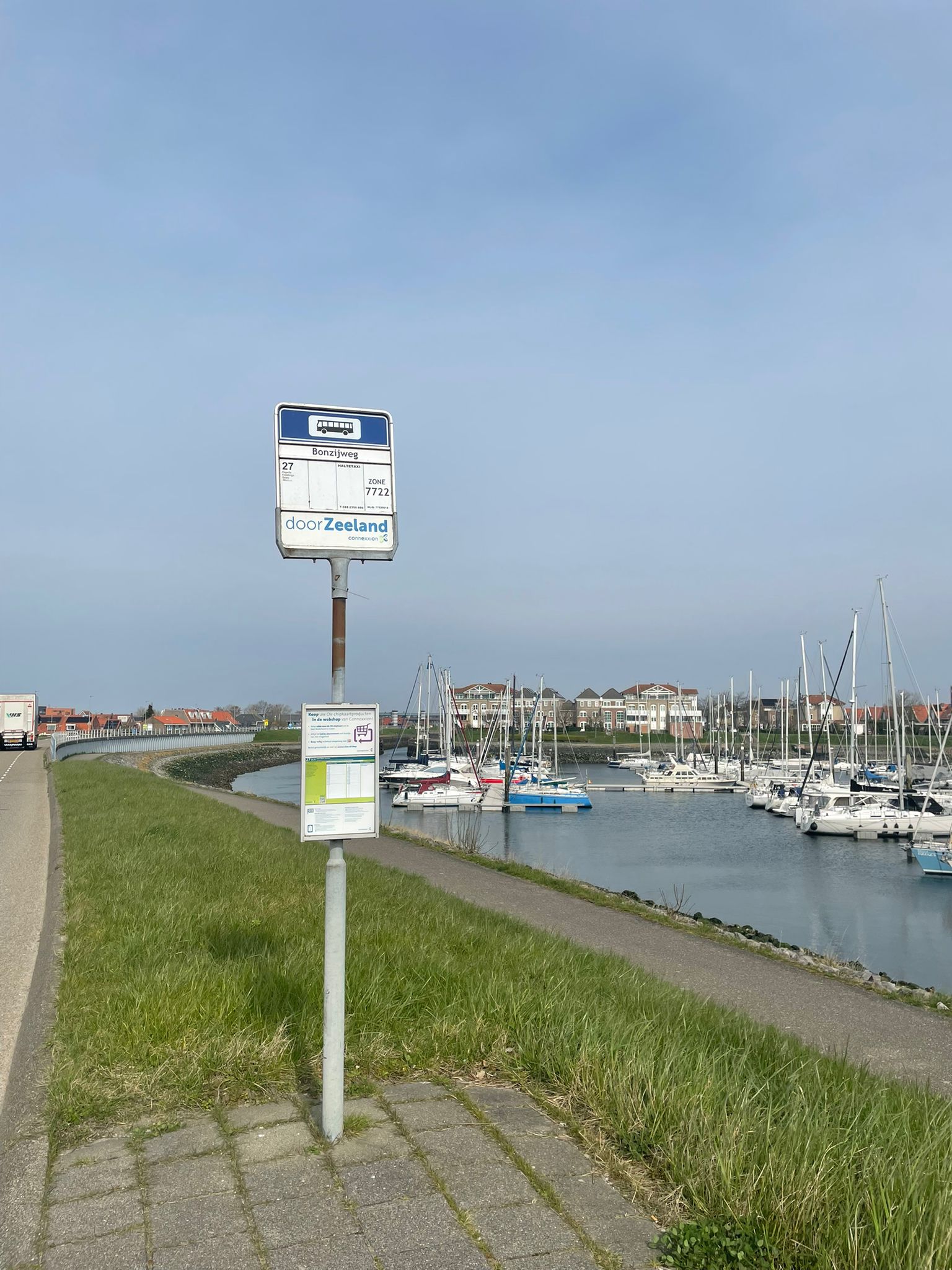
We spoke with residents in Wemeldinge to understand the everyday reality of rural mobility.
WEMELDINGE · ZEELAND
8 PARTICIPANTS
SEMI-STRUCTURED INTERVIEWS
“Without a car, you’re basically stuck here. There just aren’t enough alternatives.”
LOCAL RESIDENT · WEMELDINGE · 60+
WHAT WE HEARD
01
62.5% of the participants says
MOBILITY IS A DAILY CHALLENGE
86%
02
COMMUNITY CAN MOTIVATE PARTICIPATION
Most participants would offer rides primarily to help their community.
71%
03
TRUST IS A BARRIER
Getting a ride from a stranger was considered very uncomfortable.
WHAT THIS TOLD US
01
MOBILITY
Mobility is a shared challenge.
Limited transport options can make everyday activities difficult without a car.
02
COMMUNITY
People are willing to contribute.
Helping others in the community can be a strong motivation to offer a ride.
03
TRUST
Sharing a ride requires trust.
Getting a ride from a stranger can feel uncomfortable, making trust a key barrier to participation.
THE MISSING LINK
The need and the willingness were already there.
TRUST WAS THE MISSING LINK.
LEARNING FROM AN EXISTING SYSTEM
Makkie · Amsterdam East
Community-based credit system
To better understand how community credit systems operate in practice, we interviewed Makkie, a local currency initiative in Amsterdam East.

ABOUT MAKKIE
Makkie is a community currency used in local businesses in Amsterdam East. People earn Makkies by helping others or getting involved in the community, and spend them at local shops and services.
2000+
users
100+
local businesses
Physical
credit system
2
core staff
WHAT WE LEARNED
01
COORDINATION HAS A COST
The system relies heavily on physical coordination and requires significant staff involvement to keep the exchange running.
→ ViaVia needed a more scalable way to coordinate rides, credits and participants.
02
PHYSICAL IS NOT ALWAYS MORE ACCESSIBLE
A physical credit system seemed appealing for a community-based service, but managing the exchange manually created additional coordination challenges.
→ We moved towards a digital infrastructure rather than replicating a fully physical system.
03
DIGITAL ALONE WASN’T ENOUGH
Relying on an app alone risked excluding older adults who may be less comfortable with digital technology.
→ This led to a hybrid model: digital access supported by human assistance.
CONCEPT EXPLORATION
Four concepts explored different ways to connect people, mobility, and community support. Comparing their strengths and trade-offs helped shape the direction for ViaVia.

CONCEPT 01
CARPOOLING CREDIT SYSTEM
Users earn credits by offering rides and use them when they need transportation later in life.
STRENGTH
Long-term reciprocity
Creates an ongoing exchange of support within the community.
TRADE-OFF
Requires continued participation
The system depends on people contributing rides before they need support themselves.
DECISION
CORE DIRECTION
THE SYSTEM
ViaVia connects people who need a ride with those willing to offer one. Volunteers earn credits by helping others, while ride seekers redeem them for mobility support, with local businesses and the municipality supporting the system.

FINAL PRODUCT
ViaVia is a community-based mobility service that connects people who need a ride with local volunteers through a credit-based exchange system. The final concept combines the reciprocity of time banking with flexible, user-driven ride matching, supported by local businesses and the municipality. Trust and accessibility are built into the experience through visible verification, simplified interactions, and hybrid access, allowing users to request rides digitally or receive support through phone-based contact.


NEXT STEPS & REFLECTION
The project shifted my perspective from designing an app to designing a service. Trust, accessibility, community participation, and local partnerships had to work together beyond the interface itself.
Refine the credit system by further defining how credits are calculated, distributed, and exchanged to make the system fair and sustainable for the local community.